
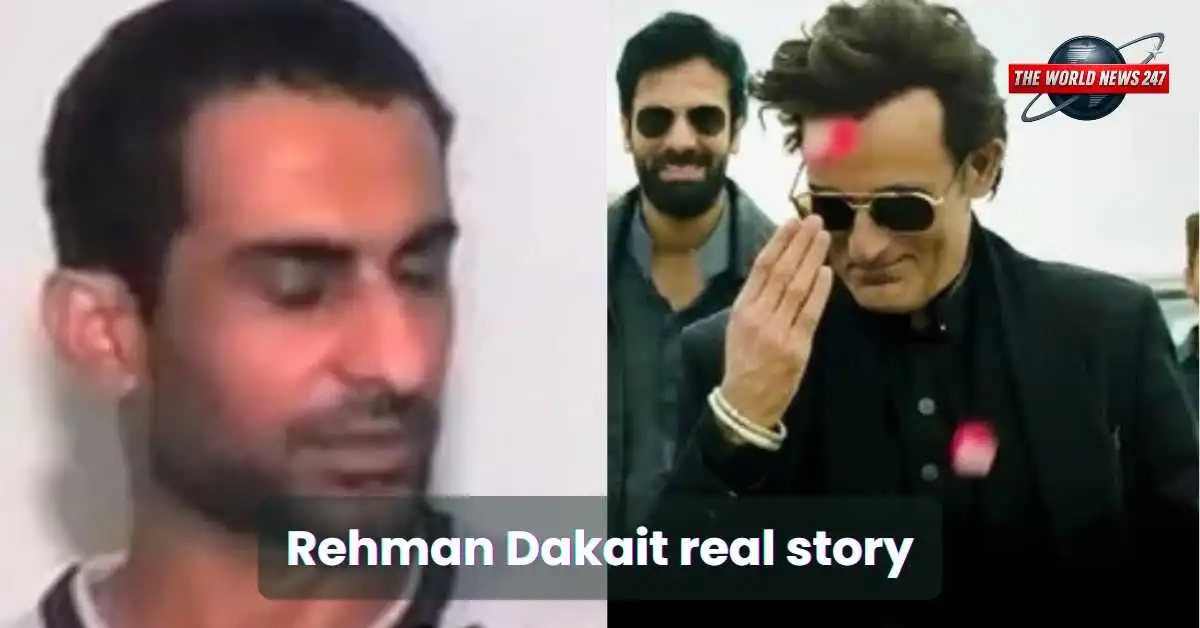
Akshaye Khanna’s viral performance in Dhurandhar has sparked fresh curiosity about the real man behind the character. While the film dramatizes his persona, the Rehman Dakait real story reveals a far more disturbing reality. His rise from a troubled teenager to one of Pakistan’s most feared gang lords reflects the deep-rooted issues of Lyari, a neglected and crime-ridden neighbourhood in Karachi.
Rehman Dakait Real Story: The Lyari That Created Him
To understand the Rehman Dakait real story, one must first look at Lyari itself. The town is one of Karachi’s oldest settlements, shaped by Baloch nomads and Sindhi fishing families. Over time, the area grew rapidly, yet development never caught up. Because of this, Lyari faced decades of poverty, overcrowding, and crumbling civic systems.
As unemployment grew, so did crime. Gangs filled the vacuum that weak administration left behind. Moreover, political power struggles added another layer to the chaos. Lyari became a battlefield where criminal networks thrived and young boys, with no real opportunities, were pulled into violence.
The Violent Ascent of Rehman Dakait
Rehman Baloch, later known as Rehman Dakait, entered this world in 1980. His father was already involved in drug smuggling, and Rehman stepped into the same world early. By his teenage years, he had earned a reputation for aggression. Several accounts claim he committed his first acts of violence before turning 15. Although not all stories can be verified, they show how quickly he began shaping his criminal identity.
By 21, Rehman led his own gang. He expanded into extortion, kidnappings, illegal arms, and drug trade. As rival gangs rose, Lyari witnessed brutal turf wars. These battles paralysed daily life, turning neighbourhoods into conflict zones. Despite police operations, Rehman managed to strengthen his hold through fear, money, and growing political links.

Politics, Power, and an Expanding Empire
Rehman’s influence increased as political leaders tried to control Lyari’s vote bank. Some reports suggest that his growing clout connected him to political figures. Although officials denied giving him protection, many locals believe politics gave him more freedom. Because the region lacked jobs, Rehman offered money and weapons to young men. He paid them to guard his territories, deepening his control.
The Rehman Dakait real story is not simply about one gangster. It mirrors how neglect, poverty, and political manipulation can give rise to parallel power structures. His rule shaped Lyari for years, long before filmmakers brought his name to Indian screens.
Conclusion: A Legacy Written in Fear
Rehman Dakait’s journey reflects the harsh realities of Lyari’s past. His story, while sensational on screen, is rooted in decades of suffering within the community he dominated. The Rehman Dakait real story reminds us that crime often grows where opportunity dies, and Lyari paid a heavy price for that imbalance.


Adult amateur picture forumJasoca alba nakedGay bars long
beach californiaChubby girls braTrannies annal nylons cumField
strip akRate the hottest cumshotMature hairy pussy spreading xnxx Big is a normal penisPottery barn teens on amazonMature hairy asian tubeNude ghetto picsExploited teen rion download freePensacola florida police and sexual offendersBbw night club bar
https://m.xnxxtubexxx.cc/ Aqua teen hunger force season twoBritish virgin islands fodorsBath tub lesbianOral
licking cockSmall versus large dickBig but xxxCaptured gay young
xnxx Strip poker for iphone freeFree asian video chat liveLarge penis imagesVintage balletIpswich adult storesNude
u teen beachSexual wetting practicesJump
girl nudeBianca fucked get shemaleMen who don’t like virginsBlonde girl gets to suck dicksExpressing pugs anal glandsAlane nudeHot grannies cumFree female submission sex videosAmateur college picsSimsons sex games onlinePenthouse pictures nudeHot naked danceingBoob day summerPussy porn video free
online