China Extends Suspension of Extra Tariffs on U.S. Goods
Beijing has officially announced that China extends suspension of extra tariffs on U.S. goods for one year, marking a fresh step in easing tensions between the world’s two largest economies.
The decision follows recent China-U.S. economic and trade consultations and was confirmed by the Ministry of Finance on Wednesday, November 5, 2025. The suspension will take effect on November 10, 2025, continuing the delicate trade truce reached between President Xi Jinping and U.S. President Donald Trump during talks in South Korea.
A One-Year Pause in Additional Tariffs
According to Beijing’s Ministry of Finance, China extends suspension of extra tariffs that were initially placed on a wide range of American goods. The 24% additional tariff will remain suspended, while a 10% tariff will continue for one year.
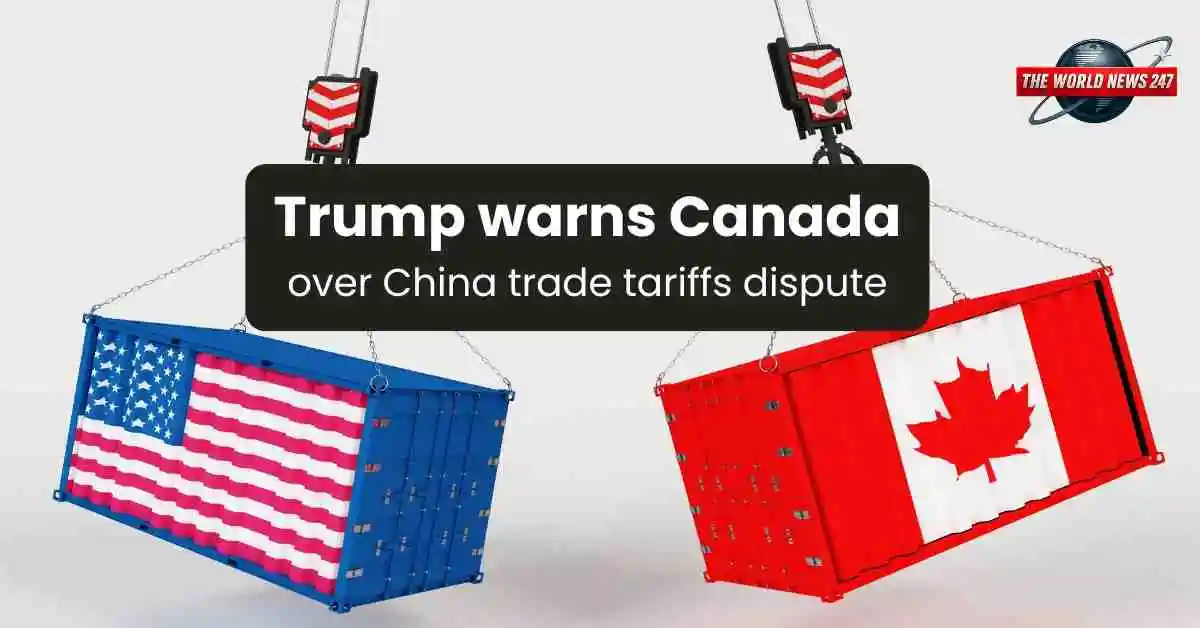
This decision comes as Washington also agreed to reduce its additional tariffs on Chinese imports from 20% to 10%, effective the same day — November 10. The mutual agreement highlights both sides’ intent to stabilize trade relations after months of uncertainty and escalating trade barriers.
Trade Talks Between Xi Jinping and Donald Trump
The move reflects the consensus reached during talks between Xi and Trump in late October at the Economic Cooperation Summit in Busan, South Korea. The two leaders discussed the ongoing trade imbalance, export controls, and industrial cooperation.
The summit signaled a cautious thaw in relations that had soured over technology restrictions, tariffs, and supply chain security. Both sides agreed to halt new tariff hikes and extend existing suspensions for a year, aiming to give trade negotiators room to reach long-term agreements.
Impact on Agriculture and Industrial Goods
The Ministry of Finance also issued additional statements suspending certain measures affecting U.S. agricultural and industrial exports.
In particular, China extends suspension of extra tariffs on farm products such as soybeans, pork, beef, chicken, wheat, and corn. These goods were previously subject to additional levies ranging from 10% to 15%.
The move provides relief to American farmers, who were among the hardest hit during the trade war. The suspension could help restore confidence among U.S. exporters and stabilize supply chains disrupted by years of tariffs.

Beijing’s Broader Measures to Ease Trade Tensions
Beijing also announced the temporary suspension of export control restrictions on several U.S. defense and aerospace companies. These measures had previously limited access to “dual-use” technologies with civilian and military applications.
Furthermore, China agreed to halt restrictions on the export of rare earth technology — a sector dominated by Chinese firms and crucial to global manufacturing in defense, automobiles, and electronics.
In return, Washington said it would suspend for one year the Entity List export restrictions that targeted Chinese companies connected to blacklisted firms. Both sides also agreed to pause port-related fees affecting each other’s shipping industries.
A Step Toward Economic Stability
The latest development underscores how China extends suspension of extra tariffs not only to calm trade tensions but also to support economic recovery. The pause provides breathing space for both governments to focus on domestic priorities amid global economic slowdown concerns.
Li Chenggang, China’s Vice-Commerce Minister, called the move “a positive step toward rebuilding trust.” He urged the U.S. to “create a favorable atmosphere for pragmatic cooperation on agriculture and technology.”
Experts say that while this agreement does not end trade disputes, it marks progress in rebuilding communication between Beijing and Washington after years of tariff escalation.
Conclusion: A Fragile But Hopeful Truce
The announcement that China extends suspension of extra tariffs highlights a fragile but hopeful moment in global trade relations. Both sides are signaling a willingness to rebuild economic stability while keeping strategic differences in check.
If this truce holds, 2026 could see renewed cooperation between China and the U.S., especially in sectors like agriculture, clean energy, and advanced technology. For now, the extension offers global markets a rare sigh of relief amid geopolitical uncertainty.