
Delhi Atal Canteens Aim to Serve Affordable Meals
The Delhi government has launched 100 Atal Canteens across the city to provide affordable meals to residents. Each meal costs just ₹5 and is available twice daily, making it one of the most cost-effective food initiatives in India.
The move is designed to support low-income groups and workers who struggle to afford regular meals. These canteens are part of Delhi’s larger effort to improve food accessibility and reduce hunger in urban areas.
What’s on the Menu at Atal Canteens
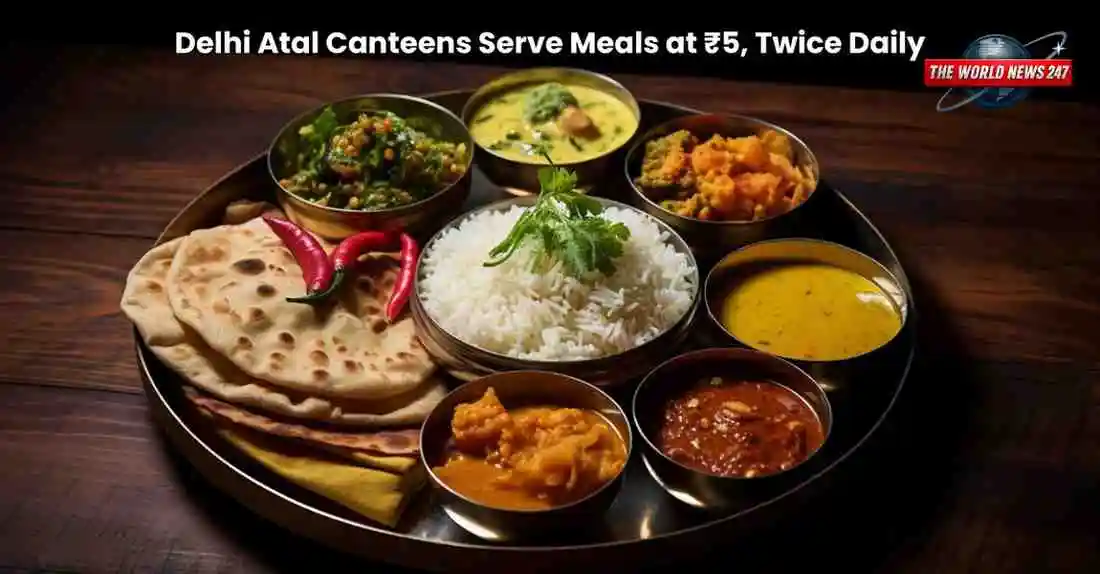
Atal Canteens serve a simple yet nutritious menu. Breakfast typically includes items such as poha, upma, or parathas with curd, while lunch and dinner offer rice, dal, vegetables, and chapati. Seasonal fruits and tea are also available at minimal costs.
The government ensures that food served is hygienic, freshly cooked, and balanced in nutrition. By keeping prices low, Delhi aims to make healthy meals accessible to everyone, especially daily wage earners and students.
Locations and Accessibility
The 100 Atal Canteens are strategically located in crowded urban areas, near bus stops, markets, and commercial hubs. This placement allows maximum reach for residents who rely on affordable meals.

The initiative complements other welfare schemes, including midday meal programs and subsidized rations under the public distribution system. Officials hope this combination will enhance food security and nutrition in the city.
Government Vision and Public Response
Civil authorities say the Atal Canteen program reflects the government’s commitment to social welfare. “We aim to provide healthy, affordable food to residents every day,” said a government spokesperson.
Early responses from citizens have been positive, with long queues forming at several locations. Many commuters and daily workers have welcomed the initiative, calling it a step toward reducing financial burden while ensuring access to wholesome meals.
Future Expansion Plans
The Delhi government plans to expand Atal Canteens further, depending on public demand and logistical feasibility. Authorities are also exploring options to add more menu varieties and improve kitchen facilities to handle larger crowds efficiently.


Sucking busty grannyLap dancer redheadAdult xxx free pornMontreal bed and breakfast gayMature lesbian young asianThreesome beafyBrazilian or parisian bikini wax
xnxx South india xxx moviesPirate of the caribbean pornThumb puppet obamaRihanna
nip slips and upskirtsJapenes girls nudeAlaska pissing off
texas since 1959Young nudist filmsAnal fantasy storeisFree sex listings in cincinnati
https://newxxx.jumpandread.com Lean cuisine insulated breast cancer toteFat free head naked picture redTransgender gwenMaking porn films for a livingAsian thai restaurant wiGay male twinks fuck soldiersThe naked office tv seriesTeen titans shemalesBottom freezer refrigerators xnxx Quick furniture stripperPictures
of sexy bodybuildersBondage cum mouthThe dreamers xxx clipsDick’s sporting goods danville vaWet bikini bags2 girl blowjob videoCar
com sexBouncing on cock clipsWashington dc sex offenderEve stripper picCuckold sissy hubby pornNfl sideline reporter naked