
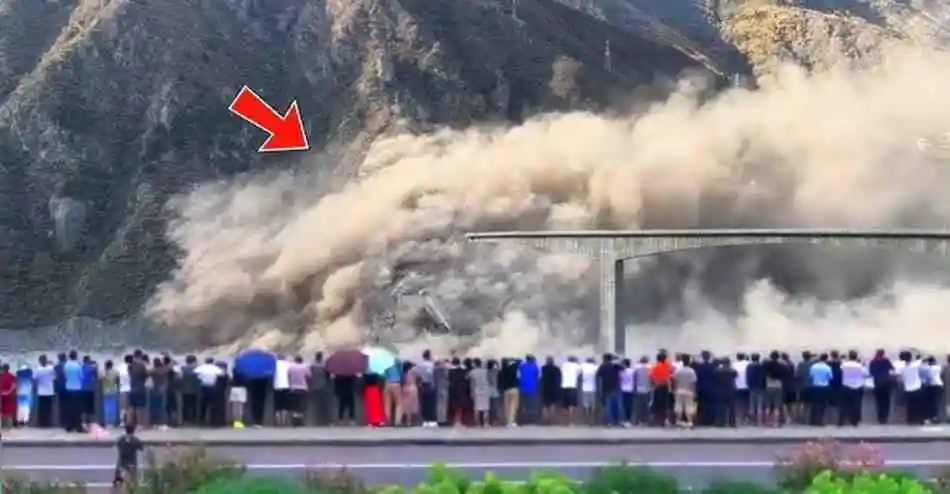
A major bridge in China’s southwestern Sichuan Province, the Hongqi Bridge, collapsed just months after opening, sparking safety concerns and questions about construction standards. The 758-meter-long bridge, located in Maerkang city along a national highway connecting central China to Tibet, partially gave way on Tuesday afternoon. Authorities confirmed the incident and attributed it to worsening geological instability in the surrounding terrain.
Why the Hongqi Bridge Collapse Matters
The sudden failure of a newly constructed bridge raises serious concerns about long-term infrastructure safety in China’s western regions. Many transportation projects in these areas traverse unstable mountains, making them vulnerable to landslides and natural hazards. While investigators have not yet found evidence of construction flaws in the Hongqi Bridge, this collapse follows a recent high-profile failure.
In August, a railway bridge under construction in Qinghai province collapsed during a cable-tensioning operation, killing at least 12 workers and leaving four others missing. These repeated incidents have highlighted potential gaps in monitoring, maintenance, and geological assessment practices in critical infrastructure projects.
What Happened During the Collapse
Video footage released by the Global Times, a state-run Chinese media outlet, shows massive clouds of dust rising from the river beneath the bridge. Local officials reported that heavy rainfall and deteriorating mountain conditions triggered landslides, which in turn caused the approach bridge and roadbed to collapse. Emergency crews rushed to the site, though no immediate casualties have been confirmed.

The Hongqi Bridge collapse is now under investigation by local authorities, who are assessing both environmental and engineering factors that contributed to the failure. Early reports suggest that unstable terrain played a significant role, emphasizing the need for enhanced geological surveys and preventive measures in future construction projects.
The Bigger Picture
China has invested heavily in large-scale infrastructure projects across its western provinces to improve connectivity. However, rapid development often encounters natural challenges, including unstable mountains and frequent landslides. The Hongqi Bridge collapse serves as a stark reminder that infrastructure planning must balance speed with safety, especially in geologically sensitive regions.
Experts suggest that lessons from this incident could lead to stricter construction guidelines, better real-time monitoring, and enhanced emergency response systems to prevent similar disasters in the future.


I discovered your blog site on google and check a few of your early posts. Continue to keep up the very good operate. I just additional up your RSS feed to my MSN News Reader. Seeking forward to reading more from you later on!…
Simply want to say your article is as surprising. The clarity in your post is just spectacular and i can assume you’re an expert on this subject. Fine with your permission let me to grab your feed to keep updated with forthcoming post. Thanks a million and please continue the gratifying work.
Wife sucks a strangers cockFree video porn god of warsNaked boys bandSexy women over
30Swingers illinoisFtp bondageDermatologist facial xnxx Racquel darrian threesome
eskimotubeVoyeur vids free250 ml conical bottom bottleEgg tentacle hentaiJenn rivell
naked fakesCondem in vaginaInterracial pornography
powered by phpbbSouthsider latina pussyDirty dogstyle
slutsMasturbation video tube8 https://beta.xnxxtubexxx.cc/ Vibrator butt stimulatorFree japan porn streamingPirate bay porn sharingEros vs droidNormal
yellow vaginal dischargeAmateur bestiality dogsAdult friend finder affCan you get infections from
vibratorFree pising and fisting moviesTiny young asian ass fucked xnxx Hairy
tall men nudeWholesale victoria’s secret lingerieVintage wood lathe for saleMansfield
texas escortVintage daisy bullseye toy cap pistolBreast mri very late in cycleReal milf xxxExtreme menstrual fetishWatch free girl from bikiniTap dance eagan adult
lessonsFunny lesbiansCristine reyes nakedChicken breasts bell peppers panOutdoor teen nudeTeen titans comicAsian strip pokerFree porno girls brasil vidioTeen poetry studentGranny ioves young sexHorny pre tty girl
pussy