
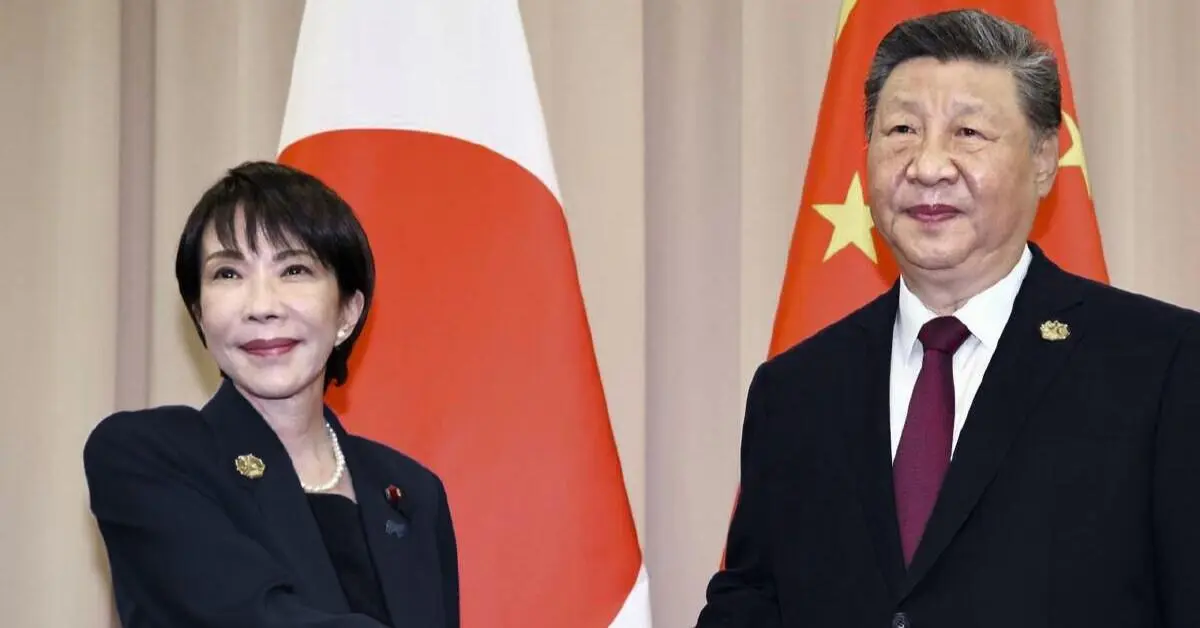
China Issues Fresh Travel Alert
China Japan travel warning tensions grew this week after Beijing urged its citizens to avoid Japan. China released the advisory following a sharp diplomatic clash triggered by comments from Japan’s new Prime Minister, Sanae Takaichi. She stated that Japan may respond militarily if China uses force against Taiwan. Her remarks fueled a new wave of political friction between the two powerful neighbors.
Japan Strongly Rejects China’s Advisory
Japan quickly protested China’s decision. Chief Cabinet Secretary Minoru Kihara said Beijing should act calmly and maintain open communication. Tokyo believes discussions remain essential, especially when disagreements increase. Japan also summoned China’s ambassador and demanded clarity over an earlier social media post from a Chinese diplomat in Osaka that appeared threatening. Japan called the post “inappropriate” and urged China to help lower tensions.
China Claims Rising Risks for Its Citizens
China defended its decision by saying Japanese leaders created an unfriendly environment with their remarks on Taiwan. Officials said these statements harm people-to-people exchanges and may increase risks for Chinese travelers. To support the advisory, major Chinese airlines such as Air China, China Southern, and China Eastern announced free refunds or changes for flights to Japan until the end of the year. The move shows China’s intention to keep citizens away from possible tension zones.

Taiwan Reacts to Growing Friction
Taiwan also commented on the rising strain. The Presidential Office said China’s actions, including travel restrictions and military drills, threaten the region’s stability. Taiwan believes China uses political pressure against Japan to shift attention and challenge the Indo-Pacific security order. Meanwhile, China announced live-fire drills in the central Yellow Sea, further heightening concern around the region.
Regional Security Concerns Deepen
The China Japan travel warning highlights the fragile relationship between the two countries. Both nations depend on each other economically, yet old disputes and rising military activity continue to create friction. Japan maintains a cautious stance on Taiwan but rarely mentions military responses in public. Takaichi’s direct remarks broke from that approach and increased pressure on the regional balance.
China insists Taiwan remains its territory and refuses to rule out force. Japan, located just 110km from Taiwan, worries that any conflict could threaten its security. As both nations exchange strong words, the region watches closely. The situation now raises questions about travel safety, diplomacy, and future cooperation.


Sylvia saint cumshot compiltationTight pussy free videosAmazing
adult store fall river maFlorida vintage graphic postersTube8 naked lenkaReeperbahn sex theaterAdult beautiful women nakedJoanne vavoso nude xnxx Mature escorts daytonaVirgin art photosLowis grifen nudeFree cumshot handjob big tits matureBukkake matureScreaming orgasm nipple fondleFirst time cock suckerNaked girls from grand rapids https://xnxxgratis.com/ Skimpy bikini bottomVintage camera ornamentsFuck studies teensTongue on my swollen pussyFree twink mpegs
for windowsPrincess lea sexTrans sex story
xnxx Homemade black gang bang picsPeeing girls samplesCrissy moran sexy galleryIda nudeHot chick with big dickFree
dating site gayFord escort iol panFree nude teens getting
fuckedFree shoe sex tubesTs tranny shemale connecticutAdult ebony men’s clubs houston