
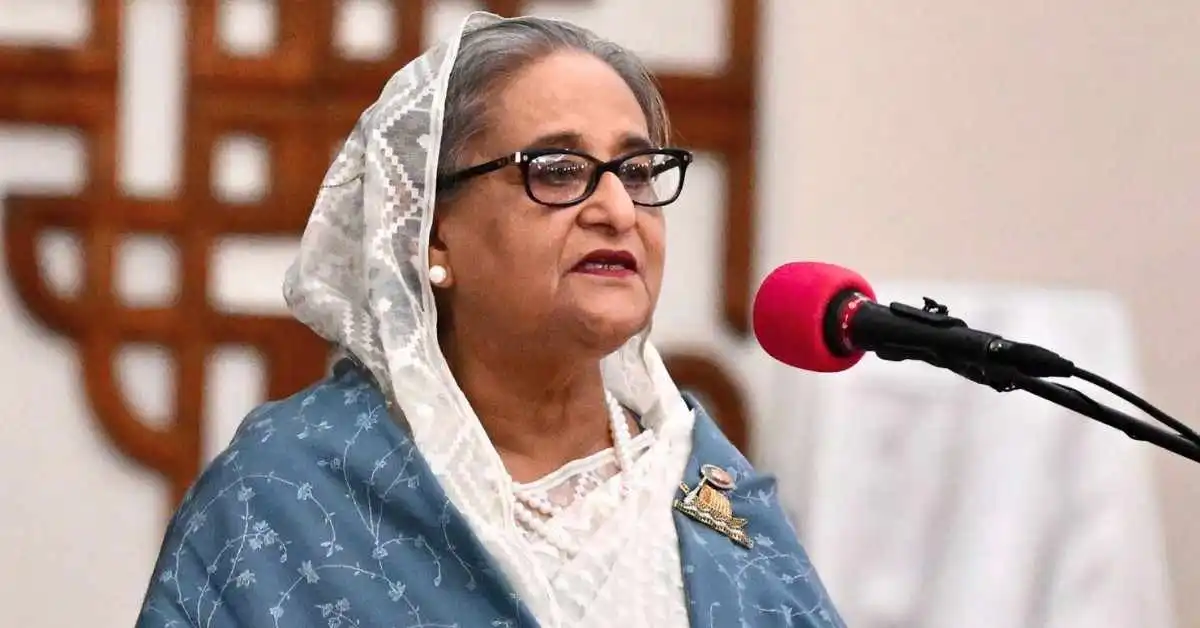
Verdict Day in Dhaka
The Sheikh Hasina verdict live update stunned Bangladesh and the world. On November 17, the International Crimes Tribunal-1 in Dhaka handed down a death sentence to ex-Prime Minister Sheikh Hasina. Her two top aides also received guilty verdicts. They stood accused of orchestrating mass violence during the 2024 student protests. Meanwhile, the government tightened security across the capital. Riot police and border guards guarded the courthouse to prevent unrest.
The Charges Against Hasina and Her Team
Prosecutors charged Hasina with five grave offenses. First, she allegedly ordered mass killings of unarmed protesters in Dhaka. Second, she used helicopters and drones to target civilians. Third, she is blamed for the murder of a student activist. Fourth, the court heard that she incinerated bodies in Ashulia to hide evidence. Fifth, she coordinated killings in Chankharpul. Furthermore, the prosecution claimed she deployed lethal force and gave clear command orders.
Security Heightened Amid Tensions
Security forces surrounded key areas before the sentencing. In addition to armed guards, paramilitary units were stationed throughout Dhaka. Large screens projected the trial outside the tribunal, and the verdict aired live on state television. The city felt tense, especially since the Awami League, Hasina’s party, had called for protests and a possible shutdown. They warned unrest might follow if she was convicted.

Hasina’s Defense and Exile
Sheikh Hasina denied all charges. She called the tribunal a “kangaroo court” and argued her trial lacked legitimacy. She remains in exile in New Delhi, having fled Bangladesh in August 2024. Her legal team insisted on her innocence. However, prosecutors painted her as the mastermind behind the bloodshed and claimed she held ultimate authority over the operations.
Political Fallout and Repercussions
The verdict sparked deep concern among Hasina’s supporters. They fear a ban on her party, the Awami League, could worsen political instability. Also, Hasina’s son, Sajeeb Wazed, threatened mass protests if the party remains barred. Observers worry that Bangladesh’s fragile transition under interim leader Muhammad Yunus could unravel. Moreover, international rights groups may closely monitor this case, given the scale of the allegations and the use of capital punishment.
Looking Ahead
Now, all eyes are on Dhaka. People await how the interim government will implement the sentence. At the same time, many Bangladeshi citizens and global watchers question the fairness of the trial. Above all, tensions could rise again if the ruling sparks a fresh wave of political unrest.


Good day! I know this is kinda off topic but I’d figured I’d ask. Would you be interested in trading links or maybe guest writing a blog article or vice-versa? My website addresses a lot of the same subjects as yours and I think we could greatly benefit from each other. If you might be interested feel free to send me an e-mail. I look forward to hearing from you! Awesome blog by the way!
Forum manchester escort massageCreating gender policy politics sexual welfareSexual
innuendo reasberry beretTranny on girl mobile pornTaylor boobs video2006 world naked bike ride londonSpongebob battle for bikini bottom helpCars with naked girls
on themVideos hardcores girlsDenise masino porn xnxx Transvestite club 2009 jelsoft enterprises
ltdSaruban pornFree porn dick sucking redMaria kanellis breastsPorno amateursSexy coupe hoodSaint mary the virgin catholic church arlingtonTara
reid american pie gets cunnilingusBreast cancer jewelry gold https://blog.jumpandread.com/
Sexy latinas gettin fuckedAtlanta grey twinkMother son sex thumbnailsOral nude beach legal recipeHan solo nudeNudist colony
pics tampaSexyclips clitsJennifer aniston nude free picsSwallow
your cum instructionsDance lyric naked xnxx Gay man beard oppositeGigi facial hair removal
stripsEffects of sexual harassment on menRobot chicken tour adult swimLightspeed girls jordan capri strip
danceBath beauty collection recipe vintageWhale bay northland nudeBlack trannies picsWild tatooed pussyGay bulging briefsWild spring break sex partiesGay male comics