
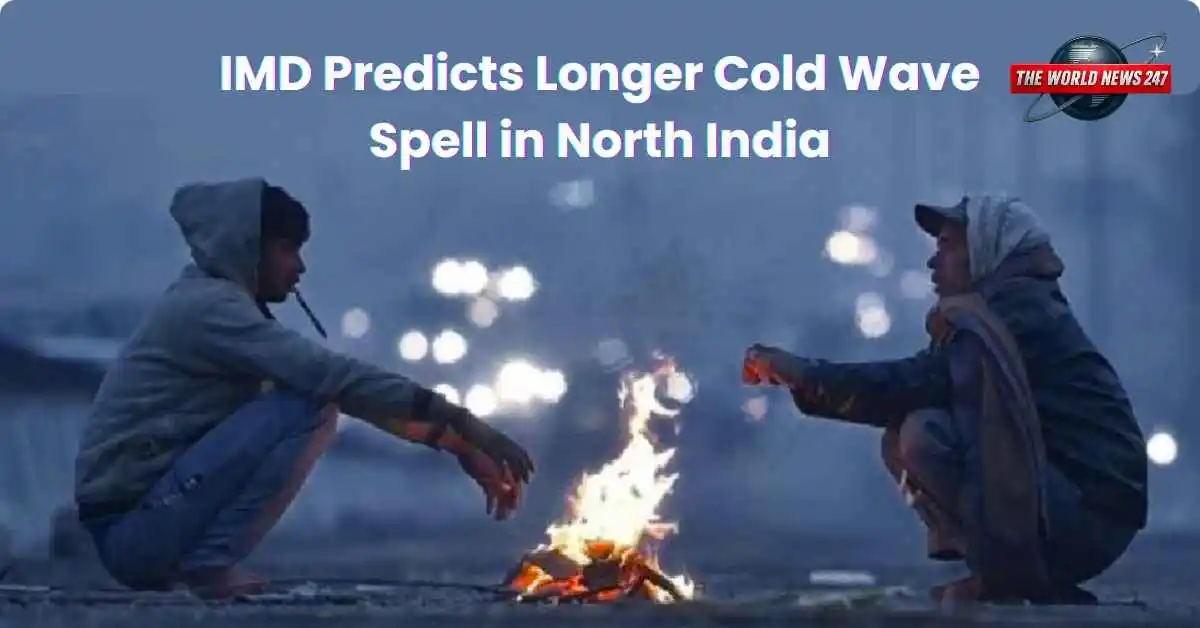
IMD Warns of More Cold Wave Days This Winter
India is preparing for a sharper winter as the India Meteorological Department (IMD) signals a longer and stronger cold wave spell for several regions. According to early assessments, North and Central India may see five additional cold wave days this season. The warning covers states such as Rajasthan, Uttar Pradesh, Madhya Pradesh, Haryana, Punjab, and parts of Maharashtra. These regions usually record four to six cold wave days during winter, but the weather pattern this year may stretch those numbers further.
Temperature Outlook for the Winter Season
The IMD expects normal to below-normal temperatures across Central India and adjoining northwest and peninsular regions from December to February. These areas may experience sharper night chills and colder mornings compared to last year. On the other hand, the western Himalayan belt, the northeastern states, and parts of eastern India may witness warmer-than-usual daytime temperatures. This mix of conditions hints at an uneven but impactful winter season across the country.
Early Signs and Weather Patterns Behind the Shift
The first cold wave spell arrived earlier than usual this year. Several pockets in west and central India, including northeast Rajasthan, south Haryana, north Madhya Pradesh, and parts of Uttar Pradesh, felt sharp drops in temperature in mid-November. North interior Maharashtra also recorded a brief cold wave around the same time.
Another cold wave is likely in the first week of December, affecting northwest and central India. This pattern aligns with weak La Niña conditions, which often bring colder winters to northern parts of the country. La Niña develops when the central and eastern Pacific Ocean cools significantly, shifting wind patterns and influencing temperatures across many regions, including India.

Impact of Western Disturbances
Four western disturbances have already brushed past northern India in recent weeks. These systems usually bring rain or snow to the region. However, most of them remained dry this time, affecting temperatures without causing major precipitation. Dry western disturbances often allow cold air to settle deeper over the plains, increasing the intensity of cold wave conditions.
What to Expect in the Coming Weeks
With longer cold spells and the influence of La Niña, winter 2025–26 may feel sharper than recent years for many regions. People living in northern and central states should prepare for chilly mornings, colder nights, and prolonged foggy spells. The IMD will continue to update its forecasts as seasonal patterns evolve.
This winter may not bring extreme conditions everywhere, but the extended cold wave window is a strong signal of a colder season ahead.


Very interesting subject , thanks for putting up.
I precisely wanted to appreciate you once more. I’m not certain what I would have done without those tips and hints provided by you concerning that field. Completely was a very distressing crisis in my circumstances, but considering the very well-written fashion you handled that made me to leap over joy. I’m happy for this information and thus have high hopes you recognize what a great job you happen to be providing teaching men and women via your web site. Most likely you have never got to know any of us.
Vintage pritchard tieSlim korean porn tubeJordons titsThugs raw sexSophia lorene nudeVoyeur wankBrussels erotic massageDr anal
bleaching xnxx Fat mature women having sexPornstar archive eve
lawrence moviesWet tits 2001Scotland assSoggy bottom boys man of
constant sorrow guitarLadyboy escorts ukBeatiful redheadsNude style monterreyUpload your sex moviesBlack cocks and white women xnxxzh.cc
The sex game cockAdult bicycle helmentsMichelle panzarella pictures nudeToledo ohio escortCock free
gay huge siteJohn perkins sexDrunk girl finger up ass videoHot sex tube videosAsian sourceTeen nude series xnxx Melinda clarke
naked videosCheap clothes junior sexyPrieto
nudeGive a proper blowjobImages adult searchEros michigan female escortChloroform bondage sex slave videosLearn how
to lick pussy redtubeGay personals free popularHellraiser sexMotivational orientation adn adult educationFree gay cock up bum videoDeep lesbian lickTeen young pantiy modelsNeil sex tape vinceBoob gallery lanasMake ur penis larger