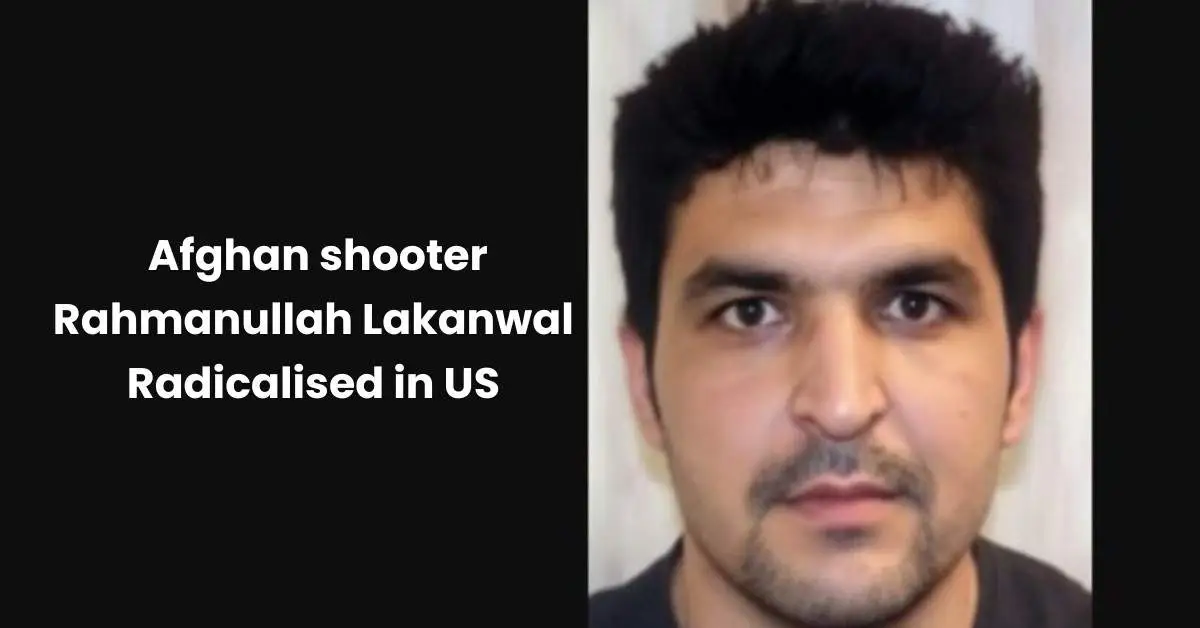
US authorities have revealed that Rahmanullah Lakanwal, the Afghan immigrant accused of ambushing National Guard members in Washington, DC, became radicalised after arriving in the United States. Homeland Security Secretary Kristi Noem said Lakanwal, 29, was living in Washington state when extremist influences began shaping his beliefs.
The shooting, which occurred just blocks from the White House, left one National Guard member dead and another critically injured. Officials are now examining Lakanwal’s connections, including family members and acquaintances, to understand the pathway to radicalisation.
Lakanwal arrived in the US in 2021 during the mass evacuation of Afghans who had assisted American forces following the Taliban takeover. Despite being part of a CIA-backed unit in Afghanistan, authorities say he embraced extremism after settling in the country. Noem emphasised that the investigation is ongoing and pledged to hold accountable anyone linked to the attack.
The incident has reignited debate over US asylum and immigration policies. The Trump administration responded by tightening some immigration procedures and reviewing active asylum cases. Noem stated that officials would scrutinise pending asylum applications and consider deportation if justified.

Experts point out that radicalisation in diaspora communities can occur through local networks, online forums, and peer influence. In Lakanwal’s case, authorities are carefully studying how his interactions in Washington may have contributed to his extremist turn.
While the attack has raised security concerns, US officials continue to stress the importance of thorough vetting and community monitoring to prevent similar incidents. Authorities are also working closely with law enforcement agencies to trace Lakanwal’s contacts and disrupt any potential threats.
This incident highlights the challenges of balancing humanitarian asylum policies with national security concerns. Officials maintain that anyone with knowledge of Lakanwal’s plans or radicalisation path will be pursued to ensure accountability and prevent future attacks.