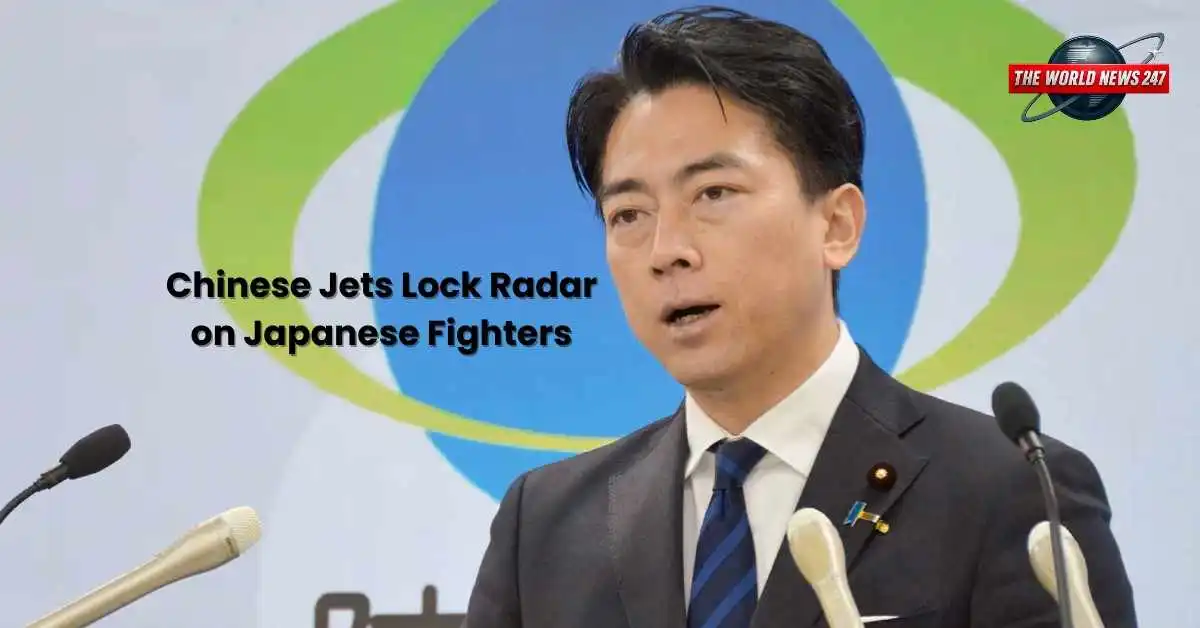
Tensions between China and Japan have reached a new peak after Chinese warplanes locked their radar onto Japanese military aircraft near Okinawa. The incidents, which occurred on Saturday, have sparked concern in Japan, which views the actions as dangerous provocations. These events come at a time when diplomatic tensions between the two countries are already high, particularly over the ongoing Taiwan dispute.
Chinese Radar Lock on Japanese Fighters Near Okinawa
Japan’s Ministry of Defense reported that Chinese fighter jets directed their fire-control radar at Japanese military aircraft during two separate incidents over the weekend. The radar lock is a provocative and potentially hostile move, signaling a potential attack. In response, Japan lodged a formal protest with China, calling the actions “dangerous” and a violation of safe aviation protocols. Japan’s Defense Minister Shinjiro Koizumi emphasized that these radar illuminations were unnecessary and exceeded what was needed for safe flight operations.
China, however, denied these claims, with a spokesperson for the Chinese Navy accusing Japan of provoking their aircraft by repeatedly approaching Chinese naval operations near the Miyako Strait. The spokesperson further stated that Japan’s statement about the radar lock was false and could endanger flight safety.
Japan’s Response and Increasing Military Tensions
The radar-locking incidents add to the growing military tensions between China and Japan. Japan had previously warned that any Chinese military aggression towards Taiwan could draw Japan into the conflict, as Japan has long-standing security commitments with the U.S. This statement by Japanese Prime Minister Sanae Takaichi earlier in November angered China, which views Taiwan as part of its territory. Japan’s concerns have only intensified as China continues to ramp up military activity in the region, including frequent incursions near Okinawa, a key Japanese island.

Japan responded by scrambling its F-15 fighter jets to intercept the Chinese aircraft. These incidents, while not unprecedented, mark some of the most serious military confrontations between the two countries in recent years. In 2013, a Chinese warship locked its radar on a Japanese destroyer in the East China Sea, and in 2016, China accused Japan of similar actions against its fighters. These confrontations, combined with recent events, have heightened fears of a potential military escalation.
The Bigger Picture: China’s Military Posture in the Region
The Chinese military’s increased activity in the region is seen as part of a broader strategy to assert its dominance over Taiwan and other contested territories in the East China Sea. With Taiwan lying just 110 kilometers (70 miles) from Japan’s Yonaguni Island, Japan is on high alert. The U.S. has also expressed concern over China’s actions, especially given Japan’s role in hosting a significant number of American military forces.
As the situation unfolds, Japan’s defense alliances and strategic responses will likely be crucial in preventing further military escalation. The involvement of Australia and other regional partners underscores the importance of maintaining stability and upholding a rules-based order in the region.