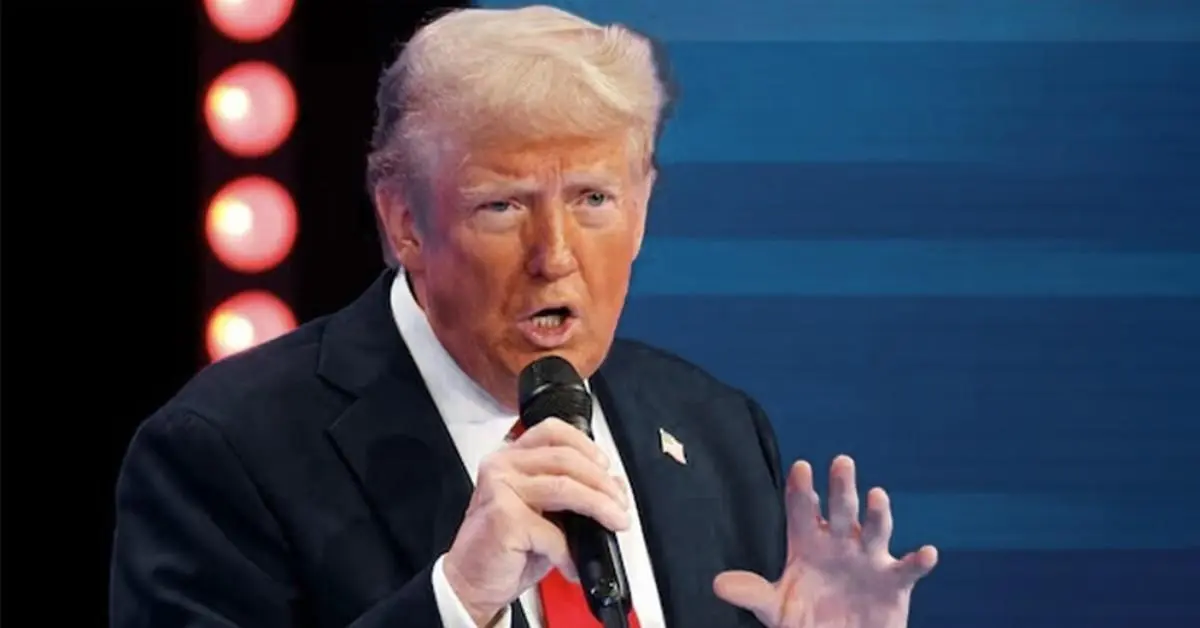
The Donald Trump 50-year mortgage plan has stirred major debate in the U.S. housing market. The proposal aims to lower monthly home loan payments by extending mortgage terms to 50 years. Supporters are calling it a “game changer,” while critics warn it could increase long-term debt and slow equity growth. Here’s everything you need to know about Trump’s latest housing move and what it could mean for homebuyers.
Donald Trump 50-Year Mortgage Plan: What’s Being Proposed
The Donald Trump 50-year mortgage plan could mark one of the most significant changes in U.S. housing policy in decades. The idea surfaced after Trump shared an image comparing himself with former President Franklin D. Roosevelt — with “30-year mortgage” written above Roosevelt’s photo and “50-year mortgage” above his own.
Shortly after, government officials confirmed that the administration is considering the introduction of 50-year home loans to make housing more affordable. The plan’s main goal is to reduce monthly mortgage payments for Americans struggling with rising home prices and high interest rates.
How a 50-Year Mortgage Could Work
Under this proposal, homebuyers would be able to spread their mortgage payments over 50 years instead of the traditional 30. The longer repayment term would lower monthly costs, helping more people qualify for loans and purchase homes.
For instance, using a sample rate of 6.575% and a 20% down payment, here’s how monthly payments could differ across mortgage terms:
| Home Price | 30-Year Fixed | 40-Year Fixed | 50-Year Fixed |
|---|---|---|---|
| $300,000 | $1,529 | $1,418 | $1,366 |
| $400,000 | $2,038 | $1,891 | $1,822 |
| $500,000 | $2,548 | $2,363 | $2,277 |
While the difference between a 30-year and 50-year mortgage may not seem massive, it can still save hundreds of dollars per month for some borrowers. However, experts note that the savings decline as loan terms stretch further.

Why Trump Believes It’s a “Game Changer”
Donald Trump has repeatedly emphasized housing affordability as a key focus of his administration. He believes that extending mortgage terms could relieve financial stress for millions of Americans. On social media, Trump described the 50-year mortgage plan as a “complete game changer,” suggesting that it could make homeownership accessible for more working families.
This move also aligns with Trump’s efforts to push for lower interest rates and economic relief for homeowners and first-time buyers.
The Catch: Slower Equity Growth and Legal Hurdles
While longer mortgages reduce monthly payments, they also delay how fast homeowners build equity. Over time, buyers may end up paying far more in total interest. For example, the total cost of a 50-year mortgage can significantly exceed that of a 30-year loan, even if monthly payments seem lower.
Another major challenge is legality. Current housing finance laws restrict lenders from offering mortgage terms beyond 30 years under qualified mortgage (QM) rules. To make the Donald Trump 50-year mortgage plan a reality, lawmakers would need to revise existing regulations — or lenders would have to offer these as non-QM loans, which usually come with higher interest rates.
Support and Concerns
Supporters believe the plan could ease housing market pressures and give young buyers a chance to enter the property market. They argue that with rising property prices, longer mortgage terms could make monthly payments manageable for middle-income families.
However, critics warn that it might worsen long-term debt and delay home equity growth. They also argue that focusing on increasing supply and stabilizing home prices would be a more sustainable solution.
Looking Ahead
The Donald Trump 50-year mortgage plan has yet to be officially implemented, but it’s already sparking widespread discussion. If approved, it could redefine how Americans buy homes and reshape the mortgage industry.
Whether it turns into a true “game changer” or a risky experiment remains to be seen, but one thing is clear — the idea has put housing affordability back at the center of the national conversation.