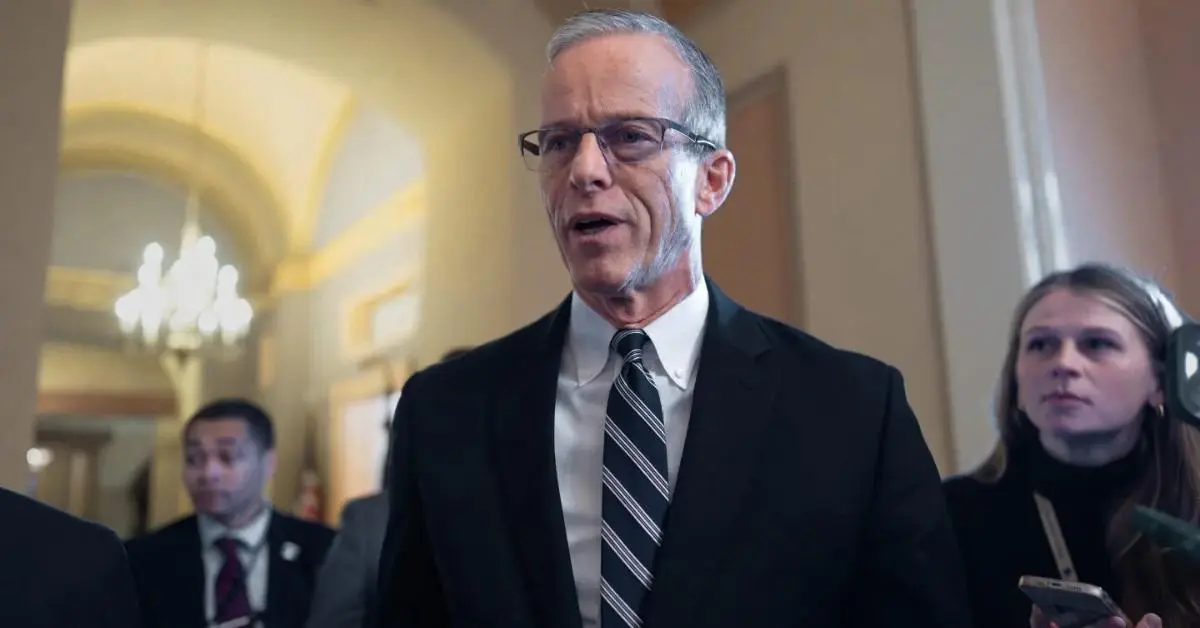
After more than 40 days of halted federal operations, the government shutdown Senate deal has finally brought a glimmer of hope. On Sunday, President Donald Trump announced that the deadlock could soon end as lawmakers reached a temporary funding agreement. The bipartisan deal, crafted in the Senate, aims to reopen the government and extend funding through January 30.
According to CNN, the deal comes after intense negotiations between Senate leaders, the White House, and a group of moderate lawmakers. If approved, it would mark the end of one of the longest partial shutdowns in U.S. history.
What’s Inside the Senate’s Bipartisan Deal
The government shutdown Senate deal includes several critical provisions designed to prevent future crises. One of the most notable clauses reverses the firings of federal employees that took place during the shutdown. It also introduces safeguards to stop similar executive actions from happening again.
Additionally, the agreement ensures continued funding for the Supplemental Nutrition Assistance Program (SNAP), commonly known as food stamps, through fiscal year 2026. This move aims to protect millions of low-income families from losing essential food benefits.
Negotiations were reportedly led by Senators Jeanne Shaheen, Angus King, and Maggie Hassan, in coordination with Senate Majority Leader John Thune and the White House. At least eight Democratic senators have agreed to back the proposal, signaling rare bipartisan cooperation amid ongoing political polarization.
In return, Senate GOP leaders have promised to hold a vote in December on a bill concerning Affordable Care Act subsidies. This provision was a key demand from Democrats who wanted assurances on healthcare access before approving any funding measure.
What Happens Next for the Funding Bill
If the Senate passes the government shutdown Senate deal, the amended bill will move to the House of Representatives for a final vote. Once cleared by both chambers, it will head to President Trump’s desk for his signature.
Once signed, all federal agencies will resume normal operations. Furloughed employees will receive back pay under the Government Employee Fair Treatment Act of 2013, which mandates compensation for missed wages during shutdowns.
Essential services such as national parks, the IRS, and passport offices will reopen immediately. However, due to the extended closure since October 1, officials expect long processing delays. Many Americans could face months-long backlogs for tax refunds and passport applications, similar to the disruptions seen during the 2018–2019 shutdown.

Economic and Political Fallout
The government shutdown Senate deal may restore federal operations, but experts warn the economic damage could linger. The extended standoff disrupted key services, slowed loan processing, and reduced consumer confidence. Small businesses that rely on federal permits or contracts also faced severe financial strain.
Politically, the shutdown has tested both parties’ credibility. While Democrats emphasize protecting federal workers and welfare programs, Republicans argue for fiscal restraint and immigration reform. The new deal, though temporary, could help rebuild public trust in Washington’s ability to govern collaboratively.
The Road Ahead
Even as the Senate funding deal moves forward, challenges remain. Lawmakers have just weeks to negotiate a longer-term spending plan before the new deadline arrives. If talks collapse again, another shutdown could occur early next year.
For now, however, Americans can expect some relief as federal offices prepare to reopen and normalcy begins to return. The bipartisan effort may not resolve all political divides, but it offers a much-needed pause after six weeks of economic and administrative disruption.