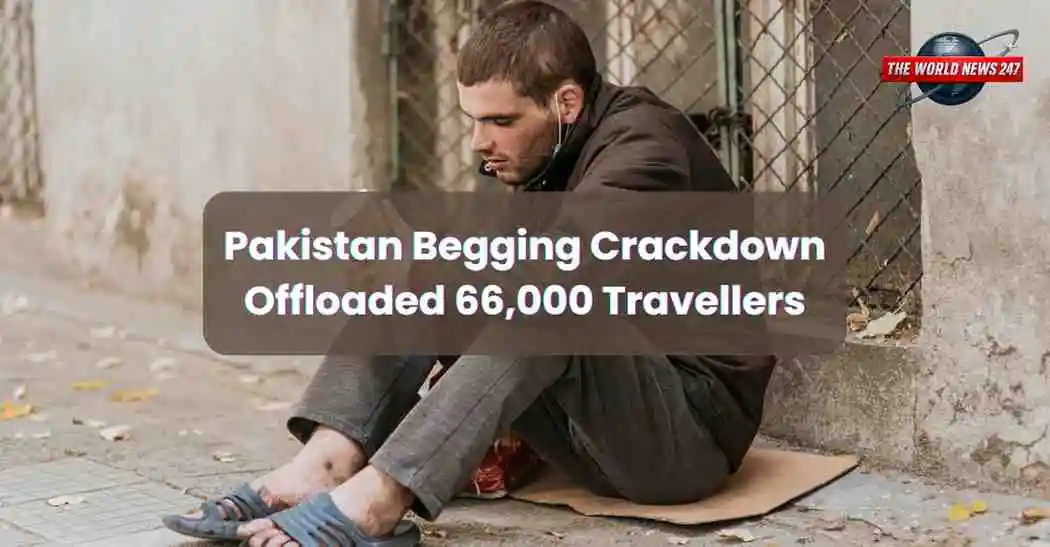
Pakistan Begging Crackdown Offloaded Thousands at Airports
Pakistan begging crackdown offloaded over 66,000 travellers this year as authorities intensified action against organised begging networks operating across borders. Immigration officials stopped these passengers at airports after identifying patterns linked to illegal begging abroad, especially in Gulf countries.
Federal agencies say the move protects Pakistan’s global image and prevents misuse of travel and pilgrimage visas. Officials argue that criminal groups exploit poverty by sending people overseas under false pretences, only to force them into begging rings.
Pakistan Begging Crackdown Offloaded Travellers Bound for Gulf States
Most of the offloaded passengers planned to travel to Saudi Arabia, the United Arab Emirates, and parts of Central Asia. Authorities flagged travellers carrying tourist, work, or Umrah visas that raised red flags during screening.
Officials report that foreign governments have deported tens of thousands of Pakistani nationals this year alone. These deportations increased diplomatic pressure on Islamabad to act decisively. As a result, airport scrutiny has become stricter than ever before.
Lawmakers were informed that daily deportations now occur from multiple countries, highlighting the scale of the problem and the urgency behind enforcement efforts.
New Laws Target Organised Begging Networks
Earlier this year, parliament approved amendments that criminalise organised begging and human trafficking more aggressively. The updated laws impose longer prison terms and heavier fines on traffickers who arrange overseas begging operations.
Government leaders have openly stated that such practices harm Pakistan’s credibility abroad. Authorities now treat organised begging as a serious crime rather than a social nuisance.

In addition to legislation, officials have suspended thousands of passports and imposed multi-year travel bans on repeat offenders.
Social Roots Behind the Begging Economy
Experts say organised begging thrives due to deep-rooted poverty and informal charity systems. In many cases, begging generates higher daily income than low-skill labour. Criminal groups exploit religious customs and public generosity, often involving women and children.
Human rights organisations warn that children remain especially vulnerable. Many disappear from urban centres and later surface in organised begging rings.
Balancing Enforcement and Reform
While the Pakistan begging crackdown offloaded thousands, officials stress that enforcement alone will not solve the issue. The government has pledged to combine strict controls with social welfare reforms, job creation, and public awareness campaigns.
Authorities say long-term success depends on dismantling trafficking networks while addressing the economic pressures that push people into begging.