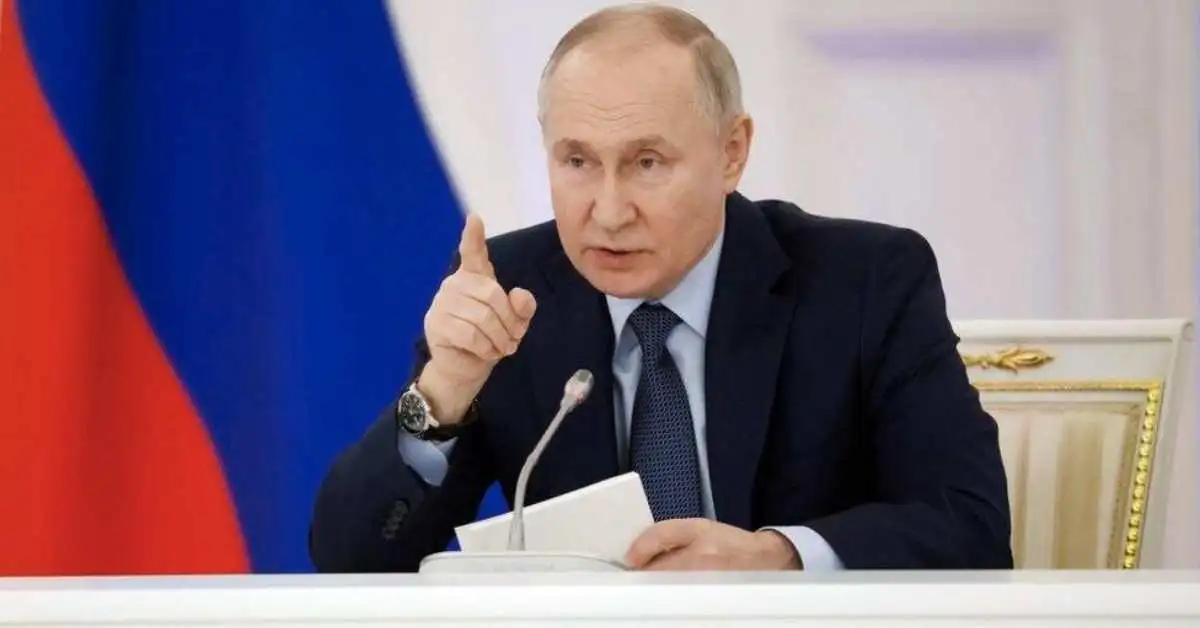
The Putin Europe war stance has become the center of global attention after the Russian president declared that Moscow does not want war but is fully prepared if Europe moves toward confrontation. His statement arrived during a closed-door meeting with American envoys, adding weight to an already tense geopolitical moment.
The meeting, still underway for hours, involved key diplomatic figures and stirred intense speculation about future US-Russia relations.
Putin Europe War Stance Explained
During the private discussion, Vladimir Putin addressed rising friction with European nations. He stated that Russia prefers stability and cooperation but will not hesitate to respond if Europe escalates tensions. This firm approach defines the current Putin Europe war stance, which blends warnings with an open invitation for diplomacy.
Putin greeted businessman Steve Witkoff and former White House adviser Jared Kushner before the talks began. He welcomed them warmly and asked about their experience walking around Moscow. They described the city as beautiful and vibrant, which prompted Putin to praise the city’s development in recent years.
His relaxed tone shifted quickly when the topic moved toward Europe and the growing divide between Russia and the West.
Inside the Key Moscow Meeting
Putin attended the meeting with senior advisors, including Yuri Ushakov and Kirill Dmitriev. Their presence signals the importance of the conversation. Ushakov shapes Russia’s foreign policy, while Dmitriev oversees major international investment efforts.
The US delegation focused on reducing tension and exploring economic cooperation. However, Putin used the moment to highlight Russia’s readiness to defend its interests. This direct message strengthened the Putin Europe war stance, showing that Moscow wants dialogue yet refuses to appear weak.

The meeting continues behind closed doors, and global leaders are eager for updates.
Rising Global Concerns
Putin’s comments come at a time of intense friction across Europe. Many European governments fear deeper conflict, while Russia insists that Western nations trigger escalation by expanding military support to Ukraine. This disagreement fuels ongoing mistrust.
Analysts believe Putin’s remarks serve two goals:
- Signal defensive strength to both Europe and NATO.
- Open a path for negotiation with the United States.
The Putin Europe war stance now shapes the next phase of relations between Moscow and Western capitals.
Conclusion
Putin’s message is clear. Russia does not seek war, yet it will respond if Europe pushes toward confrontation. The world now waits for the outcome of the US-Russia meeting and the next steps in this rapidly changing geopolitical landscape.