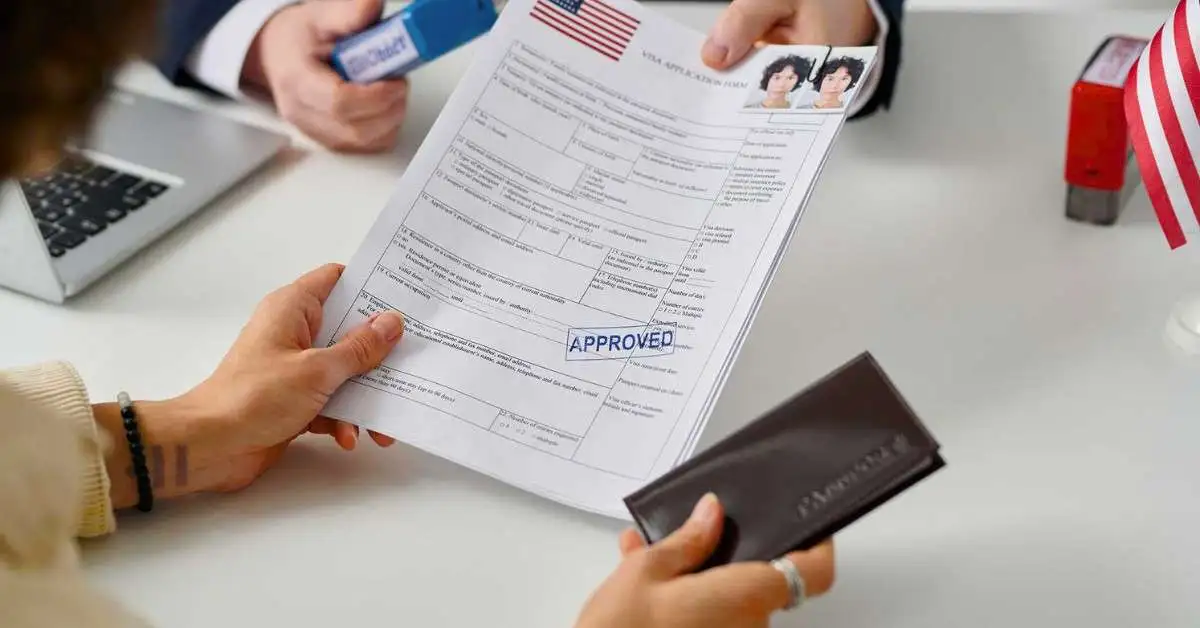
Trump Administration’s New Visa Rules: Global Impact and Tougher Scrutiny
The Trump administration public charge rule has once again taken center stage in U.S. immigration policy. The U.S. State Department has issued new orders to embassies around the world, tightening visa screening standards. Under the updated guidelines, consular officers can now deny visas or permanent residency to applicants who might become dependent on government aid or public benefits.
The directive reinstates and expands the measures first introduced during Donald Trump’s earlier term, which were later rolled back under former President Joe Biden. Now, as Trump returns to office in 2025, his administration has revived one of its most controversial immigration policies — with added layers of scrutiny.
What Is the ‘Public Charge’ Rule?
The public charge rule is a long-standing principle in U.S. immigration law. It allows officials to declare an immigrant “inadmissible” if they are deemed likely to rely on government assistance. This includes cash welfare programs, medical care, housing benefits, or long-term institutionalization.
The official cable, obtained by several U.S. media outlets, stated:
“Self-sufficiency has been a cornerstone of American immigration policy for more than a century. Applicants must demonstrate their ability to support themselves without becoming a public charge.”
The Trump administration public charge rule requires officers to consider multiple factors — including health, age, education, income, language proficiency, and financial resources — before issuing a visa or green card.

Health Conditions May Affect Visa Decisions
A key change in the new policy involves stricter evaluation of applicants’ medical history. According to reports from ABC News, individuals with chronic conditions like diabetes, obesity, or long-term medical needs could face additional scrutiny or even visa denial.
Previously, health assessments mainly focused on communicable diseases such as tuberculosis or vaccination status. The expanded list now includes conditions that might increase the likelihood of long-term medical assistance, aligning with the administration’s goal of prioritizing “financially independent” immigrants.
Applicants who have previously received government assistance, including Medicaid or food stamps, may also face rejection, even if their financial status has improved since then.
Criticism and Legal Concerns
Immigration advocacy groups have expressed concern that the Trump administration public charge rule could unfairly target low-income applicants or those with pre-existing medical conditions. Charles Wheeler, senior attorney at the Catholic Legal Immigration Network, said that the rule “will likely discourage deserving applicants from seeking lawful residency, especially those needing medical care.”
While the rule applies broadly to visa applicants, experts believe its strictest enforcement will occur in cases involving permanent residency and family-based visas. Legal challenges are expected in U.S. federal courts, echoing the disputes seen during Trump’s first term.
Global Implications and Policy Outlook
With the updated public charge framework, embassies across Asia, Africa, and Latin America are preparing for a rise in visa denials. Many nations with large numbers of U.S. visa seekers — such as India, the Philippines, and Nigeria — may witness longer processing times and higher rejection rates.
The Trump administration public charge rule underscores the government’s renewed focus on self-sufficiency and reduced dependency on public aid. As the policy unfolds globally, its impact on immigration patterns, labor markets, and international student mobility will become clearer in the coming months.
For now, one thing is certain — the Trump administration has set a new tone for U.S. immigration: tougher, stricter, and deeply rooted in economic self-reliance.