Why Trump Tariffs on India Are Back in Focus
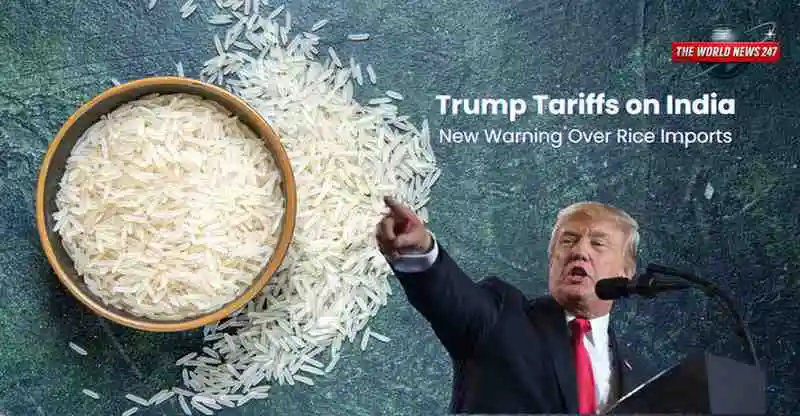
U.S. President Donald Trump has renewed pressure on India by warning that he may introduce new tariffs on agricultural imports, especially rice. His comments came during a high-level meeting at the White House where he announced a major support package for American farmers. Trump argued that low-priced rice from India hurts U.S. growers and disrupts their markets. Farmers from southern states, including Louisiana, urged the administration to act quickly.
Trump said India’s growing share of the U.S. rice market creates an unfair advantage. Several producers added that imported rice limits their profitability. Their concerns pushed Trump to highlight tariff options once again.
Tariffs as Trump’s Go-To Strategy
Trump often uses tariffs to gain leverage in trade talks, and he applied the same approach here. He said tariffs can solve pricing issues “within minutes.” His message was clear: if India continues to increase its rice shipments, he will answer with new duties. These proposed Trump tariffs on India could reshape the rice trade between the two countries.
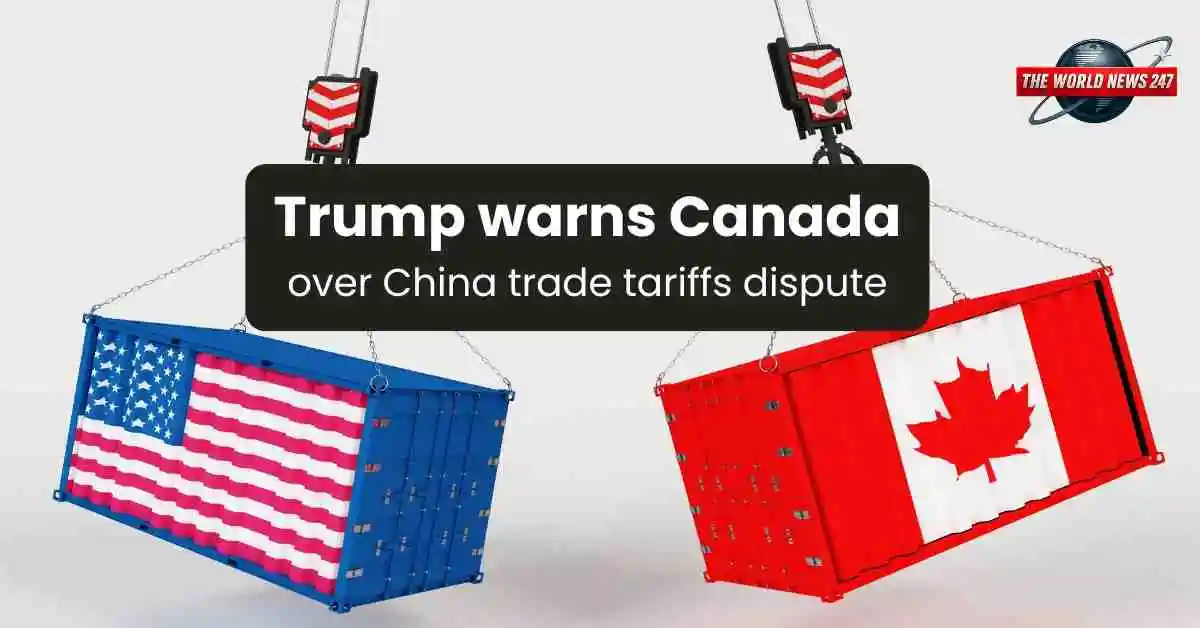
He also criticized fertilizer imports from Canada. Trump said that higher tariffs could help increase domestic production. His strategy aims to strengthen the entire U.S. agricultural supply chain.
How the Tariff Threat Affects India–U.S. Trade

India and the United States remain major trade partners, especially in agriculture. India exports rice, spices, and seafood, while the U.S. ships almonds, pulses, and cotton to India. The two countries also face regular clashes over subsidies and market access.
Trump’s tariff threat adds new tension to ongoing discussions. India may resist these measures, especially because rice exports form a key segment of its farm economy. Analysts warn that another tariff dispute may slow progress in broader trade negotiations.
What the Future Could Look Like
Trump has not issued a formal order yet, but his statements already influence market expectations. U.S. farmers welcome his support because they want stronger protection from imports. Economists, however, warn that tariffs may raise consumer prices and fuel trade disputes.
India will likely monitor the situation closely. Any move to impose Trump tariffs on India may trigger diplomatic efforts to protect its rice exporters. For now, both sides watch the situation carefully as trade talks continue.