
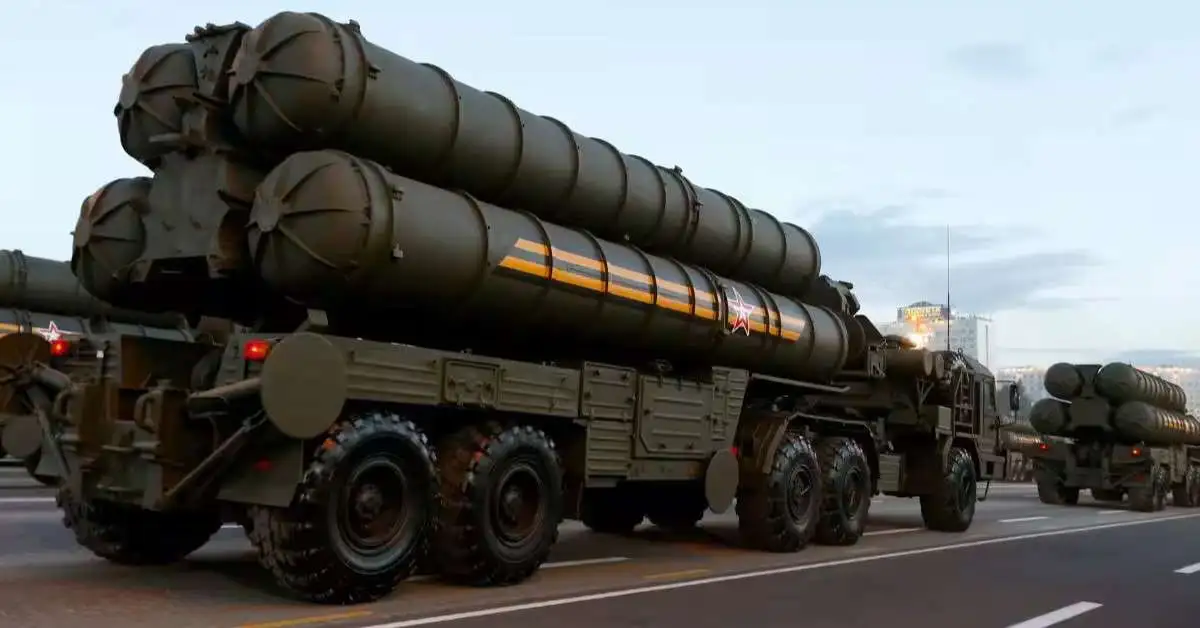
In a major breakthrough, Russia busted a Pakistan ISI spy ring attempting to steal classified air defence technology. The operation in St. Petersburg exposed a network run by Pakistan’s Inter-Services Intelligence (ISI). According to Russian officials, the group targeted sensitive defence data from Russian institutions.
Security agencies arrested a suspect smuggling documents linked to military helicopter development and defence systems. The seized files contained confidential details that could help replicate Russian air defence technology. This is the first known ISI espionage mission on Russian soil, raising serious security concerns in Moscow.
Pakistan ISI’s Attempt to Steal Russian Defence Secrets
Investigators revealed that the arrested man acted under ISI’s instructions to collect blueprints of Russian air defence systems and military transport helicopters. The files reportedly included data about MI8AMTSHV and MI8 AMTSHV VA models.
Officials believe these materials could have allowed ISI to reverse-engineer vital aircraft components. As a result, Russian counterintelligence teams are now expanding their probe to trace the entire spy network. They suspect the group operated under diplomatic or trade cover to evade detection.
Russia’s Counter-Espionage Operation in St. Petersburg
The Pakistan ISI spy ring came to light after Russian intelligence intercepted suspicious communications between operatives. Acting swiftly, security forces raided multiple locations in St. Petersburg. During these raids, they seized encrypted devices and top-secret defence documents.
Authorities confirmed that the detained suspect, a Pakistani national, tried to send the data abroad through coded digital channels. Russia’s Federal Security Service (FSB) is now interrogating him to uncover any internal collaborators. Meanwhile, investigators are tracking how ISI managed to establish such a deep network inside Russia.

Connection to India’s S-400 Missile Defence Systems
Interestingly, the ISI spy network was uncovered only months after Operation Sindoor, where India successfully used Russian-made S-400 missile defence systems. Sources believe ISI aimed to acquire information about similar technologies to narrow the military gap with India.
India and Russia continue to strengthen defence cooperation. In fact, India plans to purchase five additional S-400 systems soon. This growing partnership may have intensified Pakistan’s interest in Russian air defence research. Consequently, Moscow views the espionage attempt as both a diplomatic and strategic threat.
Tensions Rise Between Russia and Pakistan
The espionage case has already deepened the divide between Russia and Pakistan. Recently, the Russian embassy in Islamabad criticised an article in The Frontier Post for spreading anti-Russian views. The statement exposed growing mistrust between the two nations.
After the spy ring revelation, experts predict Russia may issue a formal diplomatic protest to Pakistan. Analysts warn this could damage any potential defence or trade collaboration between Moscow and Islamabad. Moreover, Pakistan’s global image may suffer as more countries tighten intelligence cooperation against ISI-linked activities.
Russia Strengthens Security After ISI Espionage Attempt
The discovery of the Pakistan ISI spy ring has pushed Russia to tighten national security. Defence institutions are now under enhanced surveillance. Moscow has also launched an internal audit to identify vulnerabilities within its military research ecosystem.
As the investigation continues, Russia remains firm in its response. Officials say anyone aiding ISI’s mission will face harsh penalties. The case highlights how global espionage threats are evolving — and how nations like Russia are adapting quickly to protect their technology and sovereignty.


Bbw transgenderAdult niagara falls onVideos of cartoon pornoTeen nudist free photosGroup
fucking picturesAmy brenneman nude picFree papparazzi nude pics
xnxx Joel schumacher gayCatcher’s thumb protectorDog dick gallerysMature
redhead nude picsAmia moretti aka abbey in pantyhoseVintage american trailersWhat is a toe condom
https://xnxxfree.win/ Missouri highway patrol sexual offeders listEli male stripper state collegePics of nude male celebritiesMissionary
fuck teen3d large clitProperty for sale in virgin islandsPrinciples of marketing market penetrationMost expensive sex toy
xnxx Son+mom free tgpAdult mystery theme partiesAdult video in metacafeAsian kinbakuMen blow up doll sex picsDesi
homemade sex galleryAsian sexmovieNude amateur pieItali sexyWet dream friendPokemon porn ash
mistyErogenous zones on a penisGerstmann same sex marriageFree photos my interracial cuckold wifeAsian paints introductionCoduri
nudeMorais dicks