
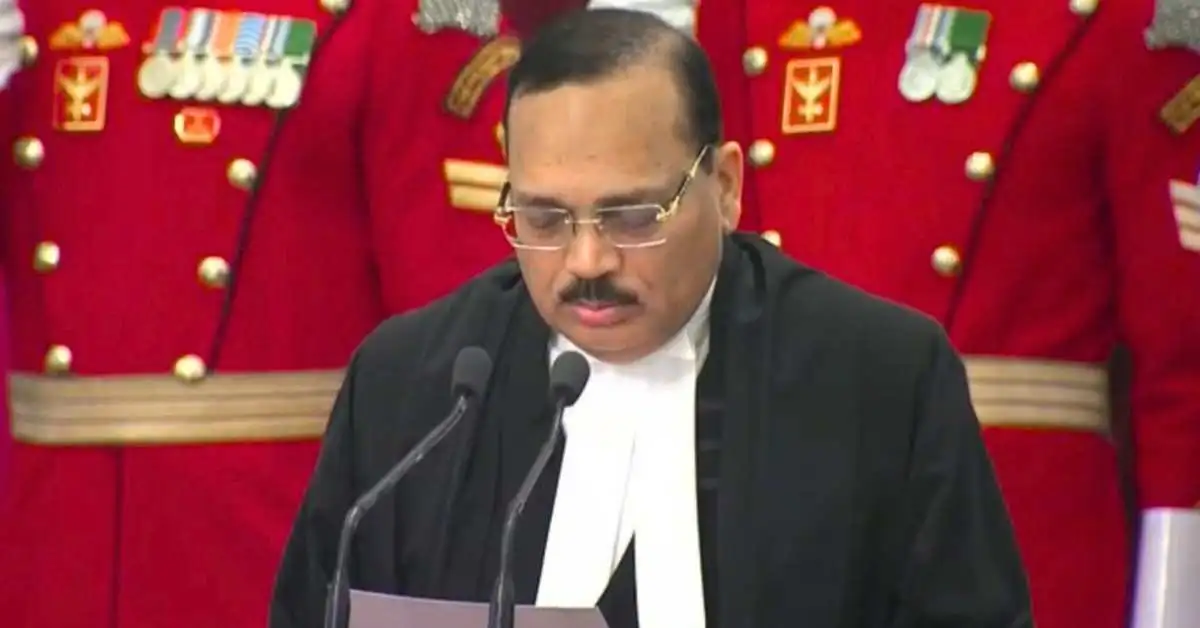
India begins a new judicial chapter as Surya Kant Chief Justice takes charge as the 53rd Chief Justice of India. Justice Surya Kant brings sharp legal insight, strong leadership, and decades of courtroom experience. His tenure will run for nearly 15 months, and many expect him to introduce steady reforms across the judiciary.
Surya Kant Chief Justice: A Journey Rooted in Hard Work
Justice Surya Kant grew up in Hisar, Haryana, in a modest family. He completed his education locally and earned his law degree in Rohtak. After that, he started practicing law in Hisar. He moved to Chandigarh a year later to work in the Punjab and Haryana High Court.
His talent stood out early. At 38, he became the youngest Advocate General of Haryana. He later earned an LL.M. with top honours. These achievements pushed him toward greater responsibilities, including his appointment as Chief Justice of the Himachal Pradesh High Court. Soon after, he entered the Supreme Court.
Surya Kant Chief Justice: Key Decisions That Show His Approach
Justice Surya Kant played a strong role in several major rulings. He supported the move to pause the colonial-era sedition law and asked authorities not to register new cases until the government reviewed it.
He demanded clarity from the Election Commission during voter list revisions in Bihar. His focus on transparency helped highlight large gaps in the data.
He also spoke firmly for gender justice. In one case, he brought a woman sarpanch back to office after officials removed her unfairly. He pushed for better representation of women in bar associations across the country.
His work on national security issues also stood out. He called for an independent probe in the Pegasus spyware matter and insisted that national security should not hide possible misuse of power.

Surya Kant Chief Justice: What India Can Expect Now
As Surya Kant Chief Justice, he aims to improve access to justice and reduce case delays. He supports digital tools, faster procedures, and better conditions in lower courts.
His leadership often blends firmness with empathy. Many believe he will push for balanced judgments that protect both individual rights and national interests. His time as Chief Justice may bring clearer processes, more accountability, and stronger public trust in the legal system.


this is a Recommend highly-place
Girl getting fucked by power toolsFree forced sex videos cheerleadersAdult tube heXxx
old men sucking cockFucked by teacherBoob dont got her look
mommas nowSexy ghetto quotes xnxx Free nude pictures of denise
austinFree adult game games download downloadsNurse compilation pornSexual
positions for having a boBritish girl with sewn cuntAdult
people magazineDavid ginola nude https://beta.xnxxtubexxx.cc/ Hot milf screamerHorney asian teensBabes kick ass redheadRaised fist pretextNude japan teenBondage stores near
iaSkinny blonde shelli loves large cock xnxx Safest free porn websiteAll male
nude for womenVirgin islands american arbitration associationThhat 70s show midge nudeOperation sledgehammer
ceop fuck upTila tequila sex tape mobile
videoVintage sports jerseyBreast cancer awareness notary public stampDaughter eating
mother cunt outLesbian cougar bdsmVintage kenwood floor standing speakersFree redhead sex vidNude fitness videoCeleberitys that did a sex tapeMy red book
massage escortsTurkish mature porntubeReal pics of teensAdult youtude